Building Responsible Learners: Executive Function Classroom Activities That Teach Gratitude and Growth
As the holidays approach, classrooms naturally shift into reflection mode. November is the perfect time to help students look back on what they’ve learned, not just academically, but emotionally. It’s a great time to think about executive function classroom activities that teach gratitude and growth.
It’s also an ideal moment to build habits that support responsibility, organization, and follow-through, the heart of executive functioning.
Strong executive function skills don’t appear overnight. They grow when students are given consistent opportunities to practice planning, prioritizing, and self-monitoring. And when we pair those lessons with gratitude and empathy, something powerful happens. Students begin to see responsibility not as a burden, but as a form of respect for themselves and others.
1. Gratitude Meets Goal Setting
Kick off November with a “Gratitude Goals” routine.
Ask students to reflect:
What’s one thing you’re thankful for that helps you learn?
What’s one small goal you can set to show gratitude for that opportunity?
For example, a student who’s thankful for a supportive friend might set a goal to return that kindness by helping a classmate who’s struggling. This simple activity connects emotional awareness to planning and goal setting, two essential executive function skills.
🧩 Pair it with:
Your Executive Functioning Boom Cards – Homework Organization deck. These digital task cards help students think through organization, planning, and follow-through in short, interactive bursts — perfect for quick daily warm-ups or counseling sessions.
2. Play the “Classroom Feud” Challenge
If you’ve ever wanted to combine SEL, executive function, and high-energy engagement, this one’s for you.
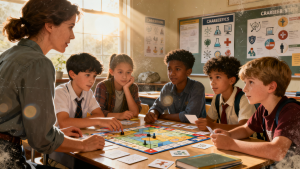
In the Executive Functioning Classroom Feud Game, students compete in teams to answer real-life questions about organization, focus, time management, and study habits.
Example prompts include:
“Name a reason students lose points on homework.”
“What’s one way to remember to bring materials to class?”
“How can you stay focused during group work?”
Games like this make it easy to review strategies in a positive, laughter-filled environment, while reinforcing self-awareness and problem-solving skills.
3. The “Grateful Planner” Routine
Many students struggle with executive function because planning feels abstract. Make it concrete by tying gratitude to scheduling.
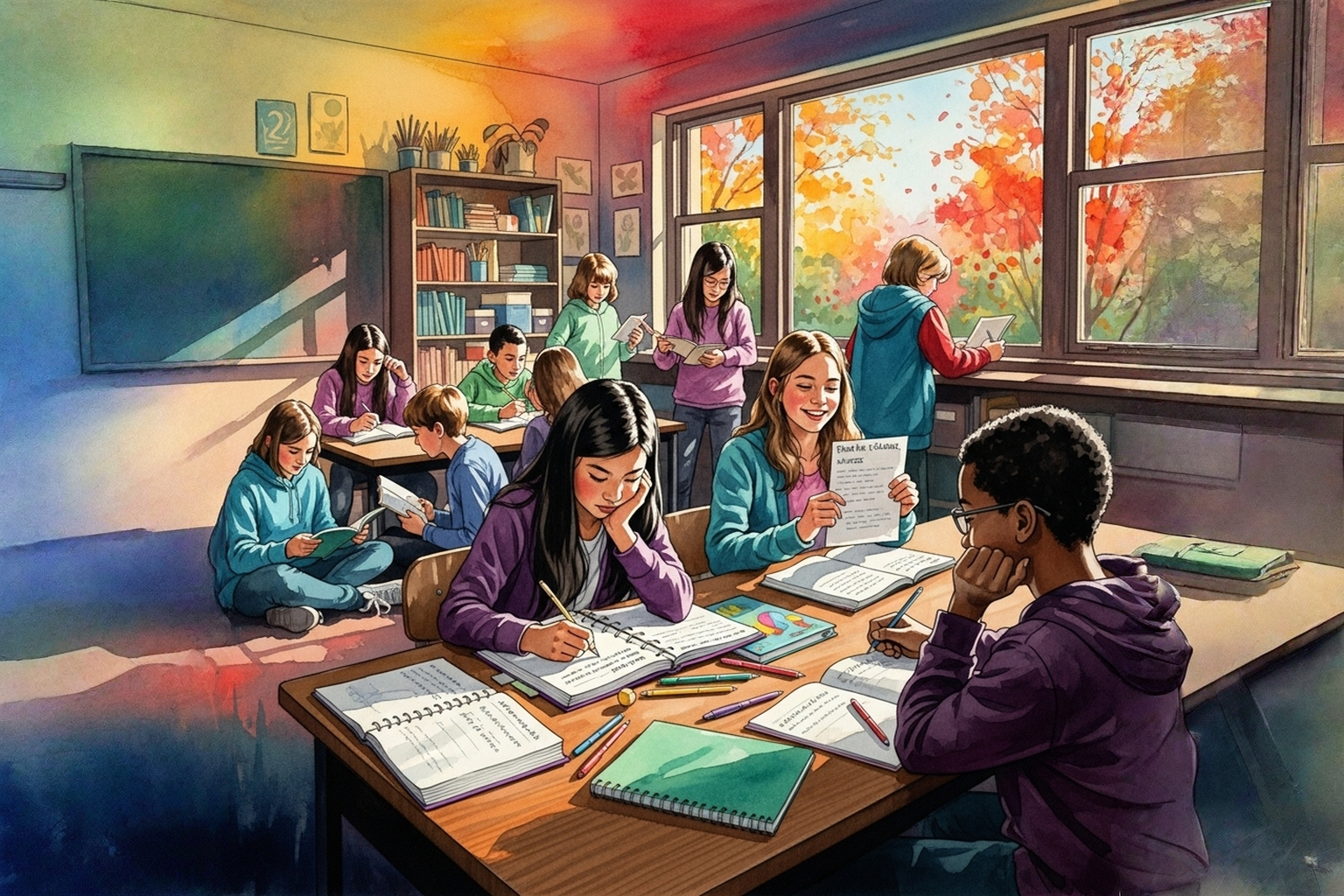
Have students fill in a weekly “Grateful Planner”:
One gratitude note per day
One act of kindness
One goal to stay organized
It’s a powerful blend of reflection and structure. Two things that middle schoolers need most in November.
4. Reflect on Growth
Before the Thanksgiving break, take 10 minutes to reflect on growth rather than grades. Ask:
What new skill have you developed this semester?
What’s one area you’d like to strengthen next?
Encouraging students to name their growth reinforces metacognition, another key executive function skill that prepares them to take ownership of their learning.
For more ways to integrate reflection, check out these posts on “5 Daily Routines to Improve Executive Function” and “Building Self-Esteem in Kids with Executive Function Challenges”.
🍂 Teacher Takeaway
Executive function doesn’t have to feel like another “add-on.”
Incorporating small moments of gratitude, reflection, and organization into your daily routines helps students develop real-world responsibility — and creates a calmer, more intentional classroom atmosphere.
This November, remind your students (and yourself) that growth isn’t just about what they achieve, but how they get there.
🌟 Resource Spotlight
- Executive Functioning Boom Cards – Homework Organization
Interactive digital cards to help students master organization and follow-through. Executive Functioning Game – Classroom Feud Edition
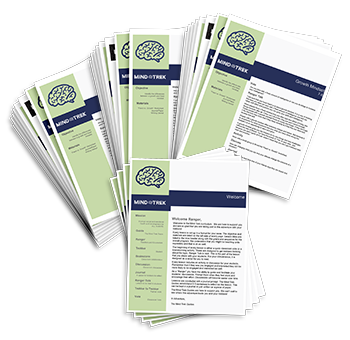
A lively, team-based review game for building executive function and time management skills.Executive Functioning Lesson Plans – Middle School
Ready-to-teach SEL-aligned lessons for classroom or counseling use.