Turning tricky talks into chances for growth is what empathy-led conflict resolution is all about. It teaches students to spot and respond to feelings in a healthy way. In classrooms where squabbles get in the way of learning, specific approaches can bring back respect, build stronger connections, and cut down on time spent on discipline. This guide is packed with practical ways for middle and high school teachers to handle conflicts, explaining why empathy is key, tried-and-true resolution methods, fun activities, how teachers can set the example, dealing with bullying, getting parents involved, and the lasting wins from Social Emotional Learning (SEL). By weaving proven strategies into daily life, schools can create safer, more supportive spaces where young people can really shine.
Why Does Empathy Matter for Sorting Out Conflicts in Middle and High School?
Empathy is basically the knack for getting and sharing what someone else is feeling, and it’s a direct route to dialing down defensiveness and opening up conversations. When students learn to see things from another’s viewpoint, they switch from being opponents to teammates in problem-solving, creating a classroom vibe that’s all about mutual respect and feeling emotionally secure. Building empathy doesn’t just smooth over disagreements; it also helps students focus better in class and get along more smoothly with their peers.
How Does Empathy Make the Classroom Vibe Better and Improve How Students Act?
When students connect with empathy, trust grows, and angry outbursts shrink because they’re encouraged to pause and think about how their words and actions land. When learners feel like they’re truly heard and understood, they’re way more likely to return that respect and stick to the expected behavior. For instance, a student who feels validated after sharing worries about a clash with a classmate is less likely to lash out, paving the way for constructive talks and fewer interruptions during lessons.
What’s the Role of Social Emotional Learning (SEL) in Growing Empathy?
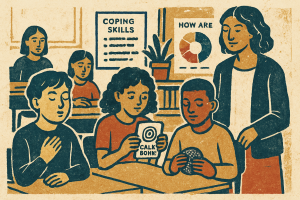
Social Emotional Learning offers a clear roadmap for building self-awareness, self-management, understanding others, relationship skills, and making smart choices. By weaving SEL lessons about recognizing emotional signals and practicing how to really listen, students start to make empathy a daily habit. Over time, these skills become second nature, giving teens the emotional smarts to handle disagreements thoughtfully and work together effectively.
How Can Emotional Smarts Help Teens Manage Conflicts?
Emotional intelligence, which is all about spotting, understanding, and managing feelings, acts as the crucial link between truly getting empathy and resolving conflicts well. Teens who are good at managing their emotions can rein in impulsive reactions and choose to communicate in constructive ways. This skill set helps de-escalate arguments and empowers students to suggest fair solutions, reinforcing a culture of responsibility and emotional safety.
What Are Some Smart Ways for Middle and High School Students to Resolve Conflicts?
Effective conflict resolution strategies blend really listening, working together to find solutions, and letting students lead the mediation to turn disagreements into valuable learning moments. When teens get the hang of these methods, they gain control over their disputes and help create a more peaceful school atmosphere.
How Can Really Listening Boost How Students Talk During Conflicts?
Active listening means giving your full attention, echoing back the main points, and holding back on judgment, which makes speakers feel valued and clears up misunderstandings. By teaching students to rephrase a classmate’s viewpoint before jumping in with their own response, teachers encourage deeper understanding and cut down on back-and-forth arguments. This approach also builds trust, as students can tell when you’re genuinely interested in what they have to say.
What Problem-Solving Techniques Help Students Settle Disputes Peacefully?
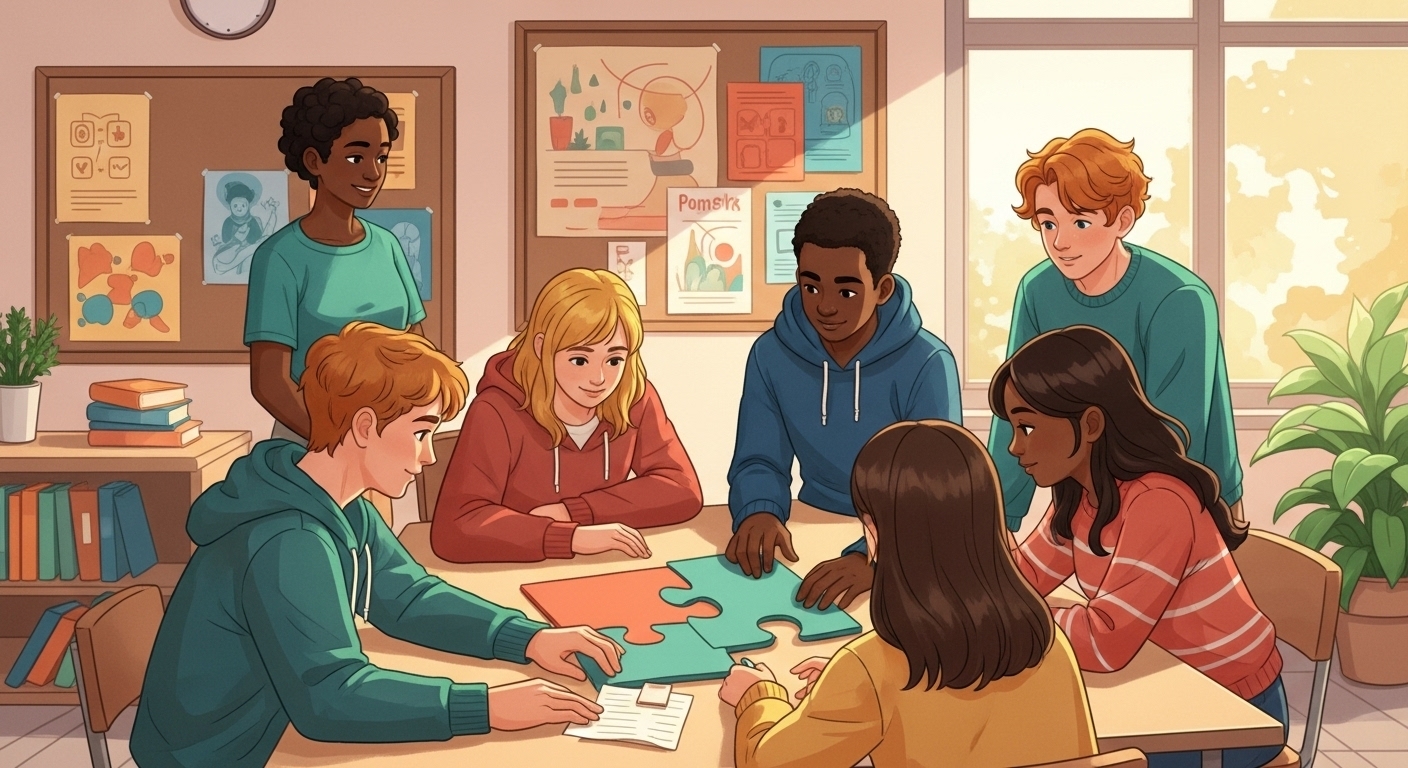
Introducing step-by-step guides helps students navigate identifying the problem, tossing around ideas for solutions, weighing the options, and agreeing on a plan of action. Guided worksheets encourage fair evaluation of each idea’s upsides and downsides, making sure everyone’s voice is heard. This structured method turns emotional clashes into team projects, boosting involvement in finding resolutions.
How Does Having Students Mediate Empower Them to Handle Conflicts?
Peer mediation trains chosen students to guide conversations between their classmates, fostering a sense of ownership over the resolution process. Mediators use neutral questions, validate feelings, and summarize to help those in conflict reach an agreement they can both live with. This student-focused model elevates the importance of conflict resolution skills, making collaborative problem-solving a normal part of life for teens.
What Are the Steps to Get a Peer Mediation Program Rolling in Schools?
Before kicking off peer mediation, educators should:
- Pick and Screen Candidates: Find students who are empathetic, responsible, and keen on leadership roles.
- Offer Thorough Training: Teach mediation techniques, the importance of keeping things confidential, and skills for calming down conflicts.
- Set Up How to Ask for Help: Clearly define how teachers, counselors, or students can request mediation sessions.
- Schedule Regular Meetings: Designate a quiet space and time slots for mediators to meet with those in conflict.
- Keep an Eye on How Things Are Going: Track how many conflicts are resolved, what participants thought, and if behavior has improved to keep making the program better.
These steps help build a lasting program run by students that reinforces empathy, communication, and accountability, while also reducing the need for adults to step in for minor disagreements.
What Are the Top Empathy-Building Activities for Middle School Classrooms?
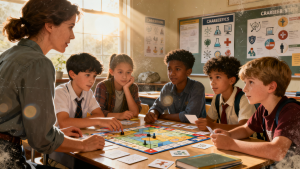
Hands-on activities that immerse students in different viewpoints help build empathy by combining learning by doing with thoughtful discussions. When middle schoolers practice their emotional skills interactively, they start to naturally respond with compassion in real-life conflicts.
How Do Role-Playing Scenarios Teach Seeing Things from Different Angles and Empathy?
Role-playing involves assigning students to act out specific perspectives, like a frustrated teammate on a group project or a classmate who feels left out, requiring them to express thoughts and feelings authentically. This hands-on method deepens understanding of what’s really going on for people and sparks compassionate reactions, empowering students to head off tensions before they even start in real interactions.
What Are “Walk in Their Shoes” Exercises and How Do They Work?
“Walk in Their Shoes” exercises pair students up to share personal stories or challenges, then they switch roles and recap each other’s experiences. By verbally sharing their partner’s feelings, participants boost their social awareness and ability to validate emotions. This activity drives home the point that empathy grows through actively engaging, not just watching from the sidelines.
How Can Books and Stories Help Teens Develop Empathy?
Digging into diverse characters in novels, short stories, or plays encourages students to explore motivations, conflicts, and resolutions from various angles. Guided questions like “How would you feel if you were Character A?” prompt deep thinking about emotional journeys. Connecting these activities across subjects, especially with language arts, turns reading assignments into empathy-building labs.
What Classroom Check-Ins and Discussion Starters Encourage Sharing Feelings?
Daily or weekly check-ins use quick surveys or open-ended questions like “Share one thing you admired about a classmate this week.” Sharing circles where students respond to prompts about teamwork, frustration, or success help build a habit of open emotional expression. Over time, these routines foster an environment where empathy and support become the norm.
Comparing Empathy-Building Activities
| Activity Type | Key Skill | How It’s Used in Class |
|---|---|---|
| Role-Playing Scenarios | Seeing Other Perspectives | Small groups act out real-life disagreements |
| “Walk in Their Shoes” | Validating Feelings | Paired interviews and switching roles |
| Literature Analysis | Empathy Through Stories | Studying characters and discussing themes |
| Check-In Prompts | Reflective Sharing | Quick daily surveys or sharing circles |
How Can Teachers Show and Help Students Develop Empathy and Conflict Resolution Skills?
Teachers who show empathy in their teaching and interactions set powerful examples, signaling that emotional intelligence is just as important as academic knowledge. By leading with kindness, teachers make respectful conversations and conflict management seem normal.
What Are the Best Ways for Teachers to Show Empathy in the Classroom?
- Listen carefully to student concerns without cutting them off.
- Validate feelings by acknowledging emotions before suggesting solutions.
- Share personal stories that are appropriate for their age to show how to handle emotions.
Consistently acting this way builds trust and encourages students to respond with empathy in their interactions with peers.
How Can Educators Lead Tough Conflict Talks with Emotional Intelligence?
- Use neutral language.
- Focus on what people need, not just what they want.
- Encourage everyone to work together on solutions using prompts like “I notice… I wonder…”
This calm approach helps ease tension and models mature emotional self-control.
How Can We Tackle Bullying Using Empathy and Conflict Resolution?
Preventing bullying by focusing on empathy encourages students to recognize how hurtful aggressive behavior is and to step in as allies instead of just watching. When empathy is at the core of how schools handle discipline, they foster a culture of care and accountability.
What Empathy Strategies Can Reduce Mean Behavior and Bullying Incidents?
By incorporating peer support groups, restorative circles, and workshops focused on empathy, schools can shift from punishment-based methods to approaches that build relationships. Students learn to identify the underlying reasons for bullying, like wanting power or fitting in, and practice compassionate responses that address these root causes, rather than just the surface behavior.
How Does Conflict Resolution Help Create a Positive and Safe School Environment?
Putting conflict resolution lessons into practice gives all students a common language and set of steps for handling disagreements. Predictable routines for talking things out and solving problems reinforce respect, reduce the fear of payback, and build a shared sense of responsibility for school safety. Over time, a school-wide focus on empathy leads to noticeable drops in disciplinary actions and fewer reports of peer aggression on climate surveys.
What Roles Do Students and School Leaders Play in Bullying Prevention Programs?
Students act as peer mentors, mediators, and empathy champions, leading awareness campaigns and peer education efforts. School leaders support these initiatives by providing resources, backing restorative policies, and modeling thoughtful disciplinary practices. This combined effort ensures that empathy-driven approaches are woven into both the student culture and the school’s overall structure.
How Can Parents Help Build Empathy and Conflict Resolution Skills at Home?
When parents reinforce emotional skills at home, it strengthens the SEL programs at school, creating a consistent message and practice of empathy across different environments.
What Activities Can Help Parents Reinforce Empathy with Middle and High School Teens?
At home, families can:
- Have “highs and lows” chats where everyone shares a good part of their day and a challenging one.
- Act out everyday situations, like deciding on chores or settling sibling spats.
- Read and discuss stories or news articles with an emotional focus, asking, “How might each person be feeling?”
These kinds of routines help teens understand their emotions better and encourage empathy beyond the school gates.
How Can Parents Talk Effectively About Conflicts and Emotions?
Parents who show they can listen calmly and without judgment, and who use “I” statements (“I feel worried when…”), demonstrate healthy ways to express emotions. Setting aside dedicated time for open conversations builds trust and reinforces that feelings are important and need to be addressed and resolved.
Why Is Having Parents Involved So Important for Keeping School SEL Programs Strong?
When parents use the same SEL language and practices at home, students experience consistency that speeds up how quickly they master these skills. Family involvement in empathy workshops or school-hosted mediation events also signals a community-wide dedication to emotional well-being, boosting the program’s impact and ensuring students remember conflict resolution skills long-term.
What Are the Long-Term Gains from Teaching Empathy and Conflict Resolution in Schools?
Weaving empathy and conflict resolution into the curriculum brings lasting academic, social, and emotional benefits that stretch far beyond the teenage years.
How Do Empathy and Conflict Skills Improve School Performance and Social Growth?
Students with strong emotional intelligence tend to focus better, collaborate more effectively on group projects, and have higher internal motivation. Empathy helps build peer support systems that reduce stress and encourage perseverance, leading to better grades, less skipping school, and a stronger sense of belonging.
What Proof Do We Have That Peer Mediation and SEL Programs Actually Work?
Research shows that schools using structured peer mediation see a 30–50% drop in disciplinary actions and students report feeling safer.
How Effective Is Peer Mediation?
Studies indicate that well-structured peer mediation programs can significantly reduce the number of disciplinary issues in schools. These programs equip students with the skills to resolve conflicts peacefully, fostering a more positive and supportive school atmosphere.
Long-term studies link participation in SEL programs to higher graduation rates and fewer behavioral issues years down the line, highlighting how effective empathy-based approaches are over time.
The Effect of SEL on Student Behavior
Research suggests that schools that implement Social Emotional Learning (SEL) programs often experience a notable decrease in disciplinary incidents and an improvement in how safe students feel. Long-term studies also connect SEL participation with higher graduation rates and fewer behavioral referrals, underscoring the lasting advantages of these interventions.
How Can Schools Track Progress in Empathy and Conflict Resolution?
Assessment methods include pre- and post-SEL surveys that measure emotional understanding, scales for self-confidence in conflict resolution, and analysis of behavioral data like referral rates and the success of peer mediation. Monitoring these indicators over time provides useful information for refining programs and demonstrating the value of investing in student well-being.
Empathy and conflict resolution efforts bring students, teachers, and families together around a shared dedication to respect and emotional intelligence. By embedding these strategies into daily routines and the school’s overall culture, educators nurture resilient learners who can handle disagreements constructively and grow into compassionate leaders as adults.