Why focus, organization, and task initiation break down after break and how teachers can rebuild them
If you teach grades 5–8, you’ve likely heard the term executive functioning more times than you can count. It comes up in meetings, emails, intervention plans, and hallway conversations that start with, “They just won’t get started…” or “They know the material, but…”
So what is executive functioning, really, and why does it seem to unravel so quickly after long breaks, schedule changes, or stressful parts of the year?
Executive functioning refers to a set of mental skills that help students manage their thoughts, actions, and emotions in order to complete tasks and reach goals. In the classroom, these skills show up everywhere: starting assignments, staying focused, managing materials, handling frustration, and adapting when plans change.
Think of executive functioning as the brain’s command center. When it’s running smoothly, students can juggle expectations, follow routines, and work independently. When it’s overloaded or underdeveloped, even capable students can look unmotivated, careless, or defiant when they’re really overwhelmed.
The Core Executive Function Skills Teachers See Every Day
Working Memory
Working memory allows students to hold and use information at the same time. It’s what students rely on to remember directions, keep track of steps, and stay oriented during tasks.
In the classroom, students use working memory when they:
Follow multi-step directions
Keep their place while solving math problems
Take notes while listening
Remember expectations without repeated reminders
When working memory is weak, students may ask for directions repeatedly, lose track mid-task, or appear careless—even when they understand the content.
Cognitive Flexibility
Cognitive flexibility is the ability to shift gears, adjust strategies, and cope with change.
Students rely on this skill when they:
Transition between subjects or activities
Adjust their approach when something isn’t working
Accept schedule changes or substitute teachers
Consider different perspectives during discussions
Students with limited flexibility may get stuck, shut down, or react strongly when routines change.
Self-Control (Inhibitory Control)
Self-control helps students pause, think, and resist impulses. It supports attention, behavior regulation, and emotional responses.
In school, this looks like:
Raising a hand instead of blurting out
Staying seated during independent work
Ignoring distractions
Managing reactions during frustration or excitement
When self-control is still developing, students may struggle with blurting, off-task behavior, or emotional outbursts—especially during unstructured times.
Planning and Prioritization
Planning and prioritization help students organize steps, manage time, and decide what matters most.
Students use these skills to:
Break down long-term projects
Decide which assignments to complete first
Prepare for tests
Balance schoolwork with other responsibilities
Without strong planning skills, students often underestimate time, rush at the last minute, or feel overwhelmed before they even begin.
Task Initiation
Task initiation is the ability to get started without excessive prompting.
This is one of the most misunderstood executive function skills. Students who struggle here often want to work but feel stuck at the starting line.
In the classroom, task initiation affects:
Beginning assignments independently
Starting work after transitions
Moving from instructions to action
Delays are often misread as laziness or defiance when they’re really about cognitive overload.
For many classrooms, supporting task initiation means reducing the cognitive load before students ever begin. Structured routines, clear visual cues, and consistent expectations can make a significant difference. Tools like visual routine supports, guided checklists, and low-prep executive functioning activities can help students move from “I don’t know where to start” to “I can do this.”
Organization
Organization involves managing materials, information, and ideas.
Students use organizational skills to:
Keep track of supplies and assignments
Maintain notebooks or digital files
Structure writing and projects
Locate materials when needed
Disorganization increases stress and steals instructional time—for both students and teachers.
Time Management
Time management helps students estimate time, meet deadlines, and pace themselves.
Students rely on this skill to:
Complete assignments on time
Work steadily instead of rushing
Plan ahead for due dates
When time management is weak, students may procrastinate, underestimate task length, or feel constant pressure.
Emotional Control
Emotional control allows students to manage feelings and respond appropriately during challenges.
This shows up when students:
Handle mistakes without shutting down
Cope with test anxiety
Navigate peer conflict
Recover from frustration
Emotional regulation is deeply connected to learning, attention, and classroom climate.
Why Executive Functioning Matters in Grades 5–8
Upper elementary and middle school is a critical period for executive functioning development. Expectations increase quickly—more teachers, longer assignments, higher independence—while the brain systems responsible for executive functioning are still under construction.
Strong executive functioning skills help students:
Stay focused and engaged
Follow complex directions
Manage time and materials
Adapt to change
Regulate emotions
Complete assignments consistently
Build independence and confidence
When these skills lag behind expectations, students may struggle academically and socially, even when they are capable learners.
Recognizing Executive Function Challenges in the Classroom
Executive functioning challenges are not character flaws or motivation problems. They reflect ongoing brain development.
Students with executive functioning difficulties may:
Struggle to start or finish work
Lose or forget materials
Miss deadlines despite understanding content
Become easily frustrated or overwhelmed
Have difficulty transitioning
Show inconsistent performance
Recognizing these patterns allows teachers to respond with support instead of punishment.
Supporting Executive Functioning in the Classroom
Teachers play a powerful role in strengthening executive functioning, often without adding extra work.
Effective classroom strategies include:
Establishing clear, predictable routines
Breaking tasks into visible steps
Using visual schedules, checklists, and models
Providing time estimates and pacing support
Teaching strategies explicitly, not assuming them
Offering structured choices to build independence
Using games and activities that build flexibility, focus, and planning
Executive functioning skills grow through practice, consistency, and supportive environments.
Many teachers find that incorporating short, structured games or routine-based supports allows students to practice executive functioning skills without adding extra planning time.
Moving Forward
Executive functioning affects nearly every part of a student’s school day. When teachers understand these skills and design classrooms that support them, students are better equipped to meet expectations, manage challenges, and grow into independent learners.
Executive functioning isn’t about fixing students. It’s about building systems that help developing brains succeed.
As we move through the school year, focusing on executive functioning gives students the tools they need not just to get through school, but to navigate learning, relationships, and life beyond the classroom.
Classroom Resources to Support Executive Functioning
Supporting executive functioning doesn’t require reinventing your classroom. The right tools can help reinforce routines, build skills, and reduce overwhelm for both students and teachers.
If you’re looking for ready-to-use classroom supports, these resources may help:
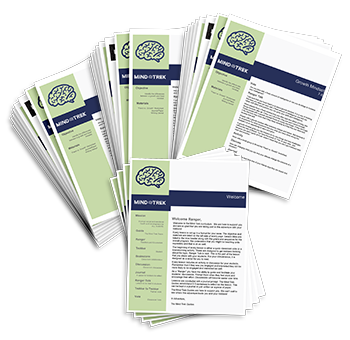
Executive Function Classroom Bundle
A collection of visuals, routines, and tools designed to support focus, organization, and independence in grades 5–8.Focus & Attention BINGO
A low-prep way to help students practice attention, self-monitoring, and sustained focus through structured play.Getting Organized BINGO
Supports organization, planning, and responsibility using engaging prompts that work well for small groups or whole class.Executive Function Routine Posters
Visual supports that help students navigate daily routines, transitions, and expectations with greater independence.
These resources are designed to work alongside your existing classroom systems, not replace them.